Why Choose Gluten-Free Black Kavuni Rice?
- jay08450
- Apr 1
- 4 min read
In recent years, gluten-free diets have surged in popularity, driven by an increasing awareness of gluten intolerance and the health benefits of gluten-free foods. Among the myriad of gluten-free options available, black Kavuni rice stands out as a nutritious and versatile choice. This ancient grain not only caters to those with gluten sensitivities but also offers a host of health benefits that make it a worthy addition to any diet.
What is Black Kavuni Rice?
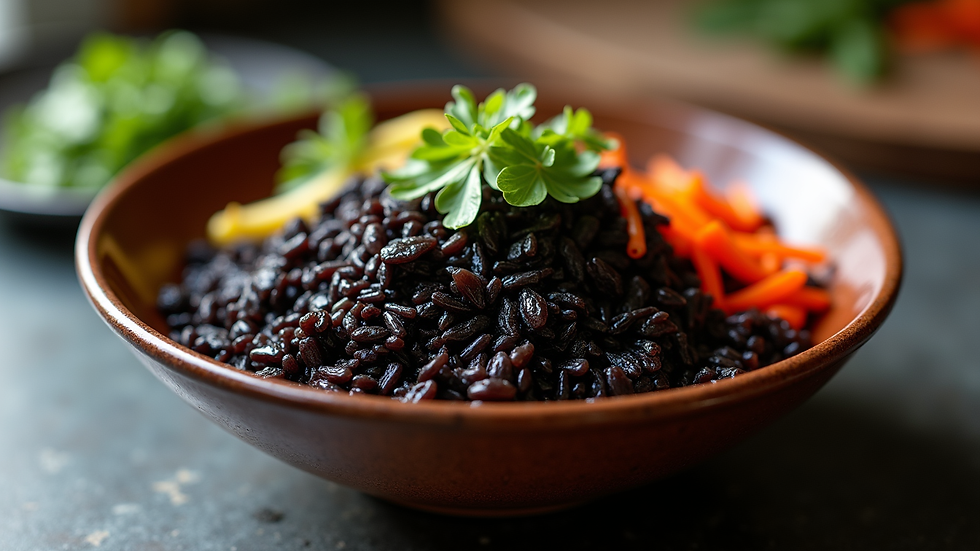
Black Kavuni rice, also known as black rice or forbidden rice, is a whole grain that has been cultivated for centuries in Asia. Its deep black color comes from anthocyanins, powerful antioxidants that provide numerous health benefits. Unlike white rice, which is stripped of its nutrients during processing, black Kavuni rice retains its bran and germ, making it a more nutritious option.
Nutritional Profile
Black Kavuni rice is rich in essential nutrients, including:
Fiber: Aids in digestion and helps maintain a healthy weight.
Protein: Provides a good source of plant-based protein.
Vitamins and Minerals: Contains iron, vitamin E, and various B vitamins.
Antioxidants: The anthocyanins in black rice help combat oxidative stress.
Health Benefits of Black Kavuni Rice
Rich in Antioxidants
The high levels of anthocyanins in black Kavuni rice are known for their antioxidant properties. Antioxidants help protect the body from free radicals, which can lead to chronic diseases such as heart disease and cancer. Incorporating black rice into your diet can help boost your overall health and well-being.
Supports Heart Health
Regular consumption of black Kavuni rice may contribute to better heart health. The fiber content helps lower cholesterol levels, while the antioxidants can reduce inflammation and improve blood circulation. This combination can significantly lower the risk of heart disease.
Aids in Weight Management
If you're looking to manage your weight, black Kavuni rice can be a great addition to your meals. Its high fiber content promotes a feeling of fullness, reducing the likelihood of overeating. Additionally, the complex carbohydrates in black rice provide sustained energy, making it an excellent choice for those looking to maintain a healthy diet.
Gluten-Free and Safe for Celiac Disease
For individuals with celiac disease or gluten intolerance, finding safe food options can be challenging. Black Kavuni rice is naturally gluten-free, making it a safe choice for those who need to avoid gluten. It can be used in a variety of dishes, from salads to stir-fries, without compromising on taste or texture.
How to Cook Black Kavuni Rice
Cooking black Kavuni rice is similar to cooking other types of rice, but it requires a bit more water and time. Here’s a simple method to prepare it:
Rinse: Start by rinsing the rice under cold water to remove any impurities.
Soak: Soaking the rice for 30 minutes can help reduce cooking time and improve texture.
Cook: Use a ratio of 1 cup of rice to 2 cups of water. Bring the water to a boil, then reduce the heat to low, cover, and simmer for about 30-40 minutes, or until the rice is tender and the water is absorbed.
Fluff: Once cooked, let it sit for 10 minutes before fluffing with a fork.
Serving Suggestions
Black Kavuni rice can be enjoyed in various ways:
Salads: Toss cooked black rice with fresh vegetables, herbs, and a light vinaigrette for a nutritious salad.
Stir-Fries: Use it as a base for stir-fried vegetables and protein sources like tofu or chicken.
Bowls: Create a grain bowl with black rice, roasted vegetables, and a protein of your choice, topped with a flavorful sauce.
Black Kavuni Rice vs. Other Rice Varieties
When comparing black Kavuni rice to other rice varieties, several key differences emerge:
Nutritional Comparison
White Rice: Lacks fiber and essential nutrients due to processing.
Brown Rice: More nutritious than white rice but lower in antioxidants compared to black rice.
Wild Rice: Higher in protein but not gluten-free.
Flavor and Texture
Black Kavuni rice has a unique nutty flavor and a slightly chewy texture, making it a delightful addition to various dishes. Its distinct taste sets it apart from other rice varieties, allowing it to shine in both savory and sweet recipes.
Incorporating Black Kavuni Rice into Your Diet
Breakfast Ideas
Start your day with a nutritious breakfast by incorporating black Kavuni rice into your morning routine. Here are a few ideas:
Rice Pudding: Cook black rice with almond milk, sweeten with honey, and top with fresh fruits and nuts.
Breakfast Bowl: Combine cooked black rice with yogurt, berries, and a sprinkle of granola for a filling breakfast.
Lunch and Dinner Options
For lunch and dinner, black Kavuni rice can be the star of your meal:
Stuffed Peppers: Mix cooked black rice with beans, vegetables, and spices, then stuff into bell peppers and bake.
Curry: Serve black rice alongside your favorite curry for a hearty and satisfying meal.
Conclusion
Choosing gluten-free black Kavuni rice is not just a dietary choice; it's a step towards a healthier lifestyle. With its rich nutritional profile, numerous health benefits, and versatility in the kitchen, black Kavuni rice is an excellent addition to any meal plan. Whether you're gluten-sensitive or simply looking to enhance your diet, consider making black Kavuni rice a staple in your pantry.
By incorporating this ancient grain into your meals, you can enjoy its unique flavor while reaping the benefits of its powerful nutrients. So why not give black Kavuni rice a try? Your taste buds and your body will thank you.

Comments